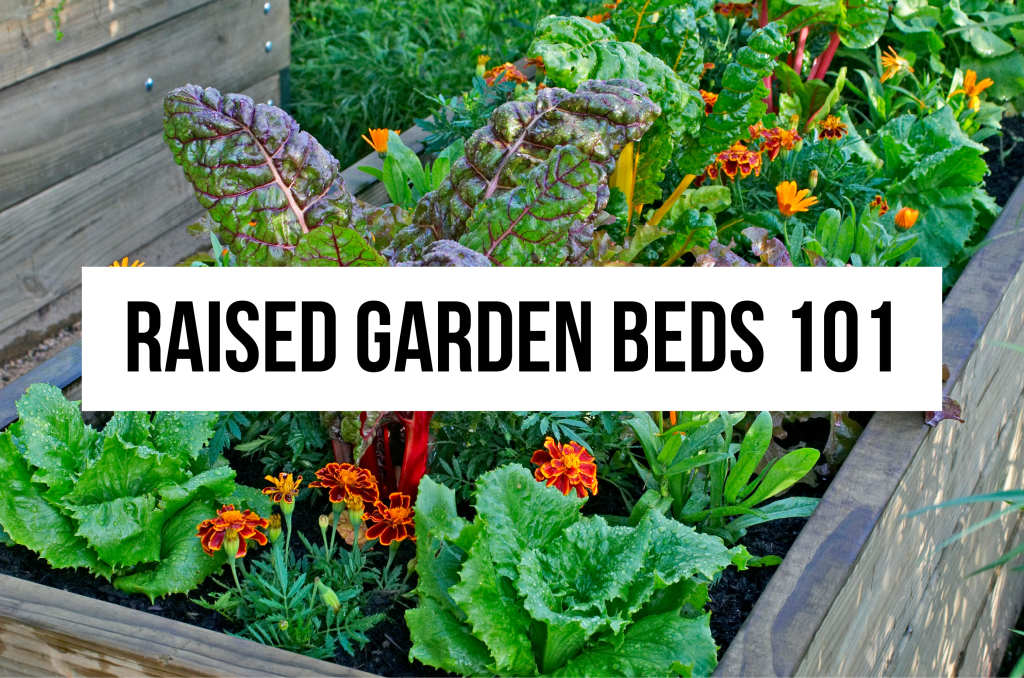
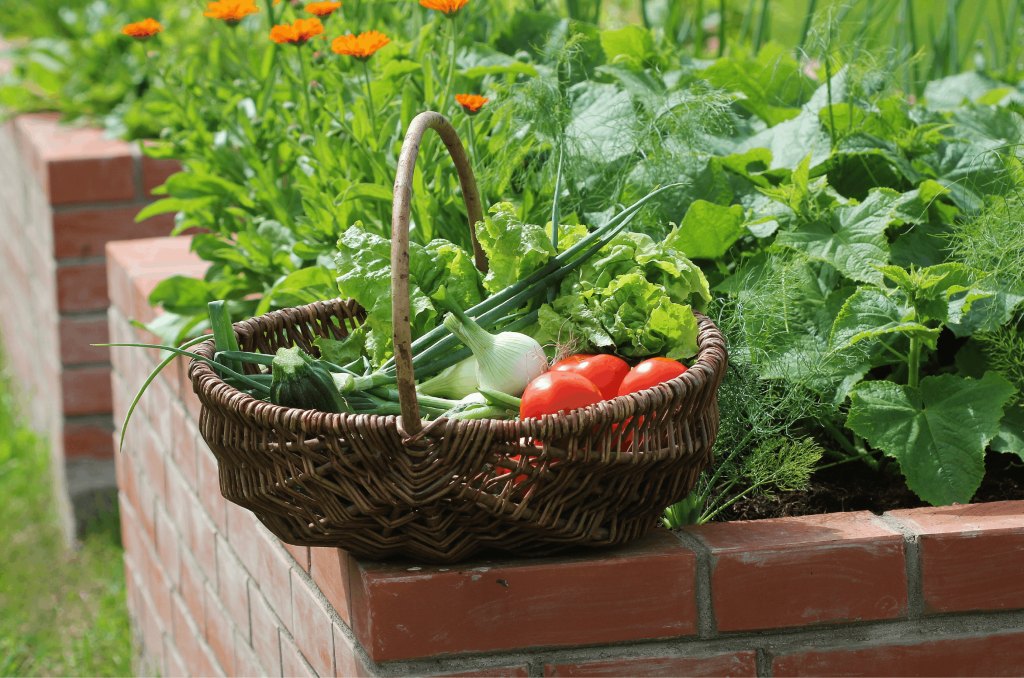
You don’t need more space to grow more, just a smarter approach to planting! By understanding the benefits and limitations of methods like intensive, square foot, and vertical gardening, you can choose the approach that best fits your space and gardening style. With a little planning and consistency, your raised beds can be both productive and manageable all season long.

Please enter at least 4 characters to continue your search.
Introduction
Thriving raised garden beds start with the right planting approach. From maximizing space to improving plant health and boosting yields, a few proven methods can completely transform how your garden grows. With peak gardening season just around the corner, now is the perfect time to rethink how you’re using your raised beds. Whether you’re growing vegetables, herbs, or flowers, choosing the right techniques helps you get more from every square inch. Keep reading for our practical guide to raised bed planting methods that set your garden up for success.
Why Different Planting Practices Matter
Raised beds already offer benefits like better drainage and soil control, but how you plant within them makes all the difference. Traditional row gardening often leaves large areas of exposed soil, which can dry out quickly and invite weeds. More intentional planting methods help cover soil, retain moisture, and reduce weed growth. At the same time, improper spacing or overcrowding without a plan can lead to stressed plants that are more vulnerable to pests and disease. The goal is to strike the right balance of maximizing space while still giving plants what they need to thrive.
Raised Garden Beds Methods to Try
Intensive Gardening for Raised Garden Beds
One popular approach is intensive gardening, a method focused on maximizing production within a given space. This is often done through interplanting, or growing two or more types of crops in the same area at the same time. To get started, plant crops closer together than traditional row spacing and aim to keep soil consistently covered. You can alternate rows (like peppers and onions), mix plants within the same row, or scatter different crops throughout the bed. Pair fast-growing crops like radishes with slower ones like carrots, or plant shade-tolerant greens beneath taller plants. The key is to consider each plant’s growth habit, spacing needs, and resource requirements. While this method helps retain moisture and reduce weeds, it does require careful planning and consistent maintenance. Without regular watering, pruning, and harvesting, plants can become overcrowded, increasing the risk of pests, disease, and reduced yields.
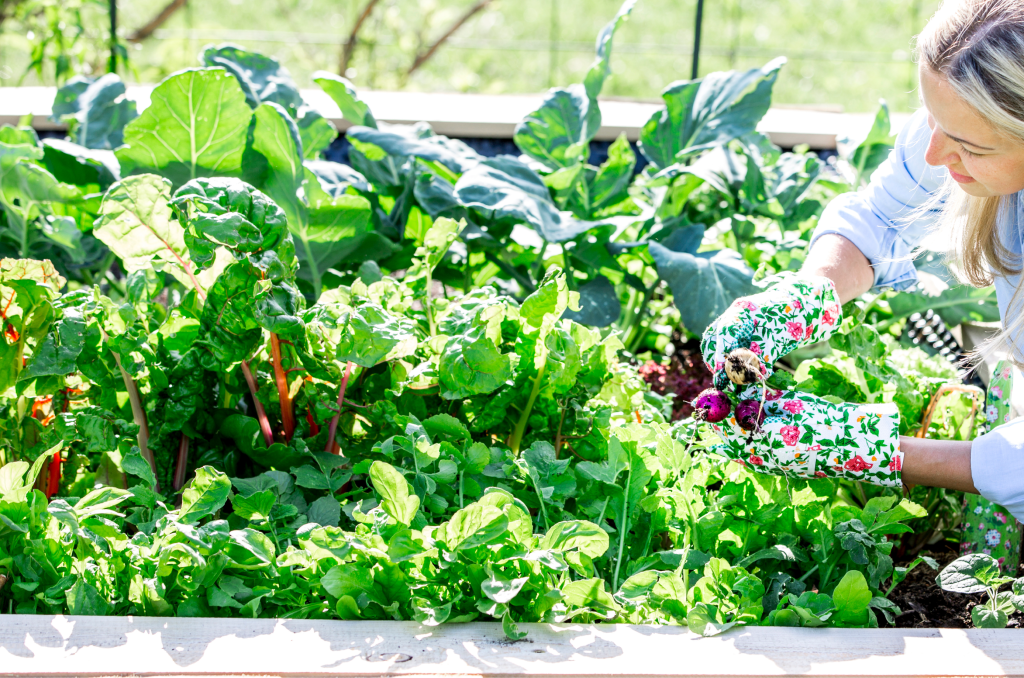
Square Foot Gardening for Raised Garden Beds
Another structured method is square foot gardening, which divides a raised bed into a grid of one-foot sections. To try this method, physically mark out a grid across your bed and use seed packet spacing as a guide. Instead of following row spacing, calculate how many plants fit within a single square. For example, a crop with 3-inch spacing can fit up to 16 plants in one square foot. Smaller plants like radishes or herbs can be planted densely, while larger crops like cabbage may take up an entire square. Group plants by size and type, such as root crops with root crops or leafy greens together, and consider mixing compatible plants within a square for added variety. This method is especially useful for beginners and smaller spaces, but it does require attention to watering and crop selection. Larger plants may outgrow their space, and dense planting can lead to quicker moisture loss.
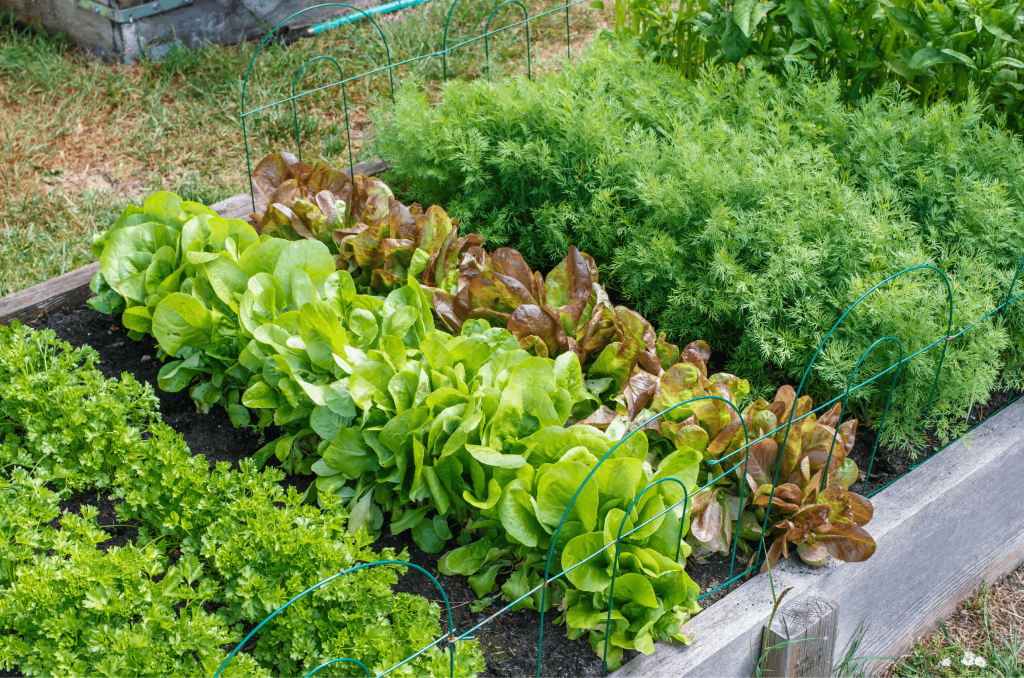
Vertical Gardening for Raised Garden Beds
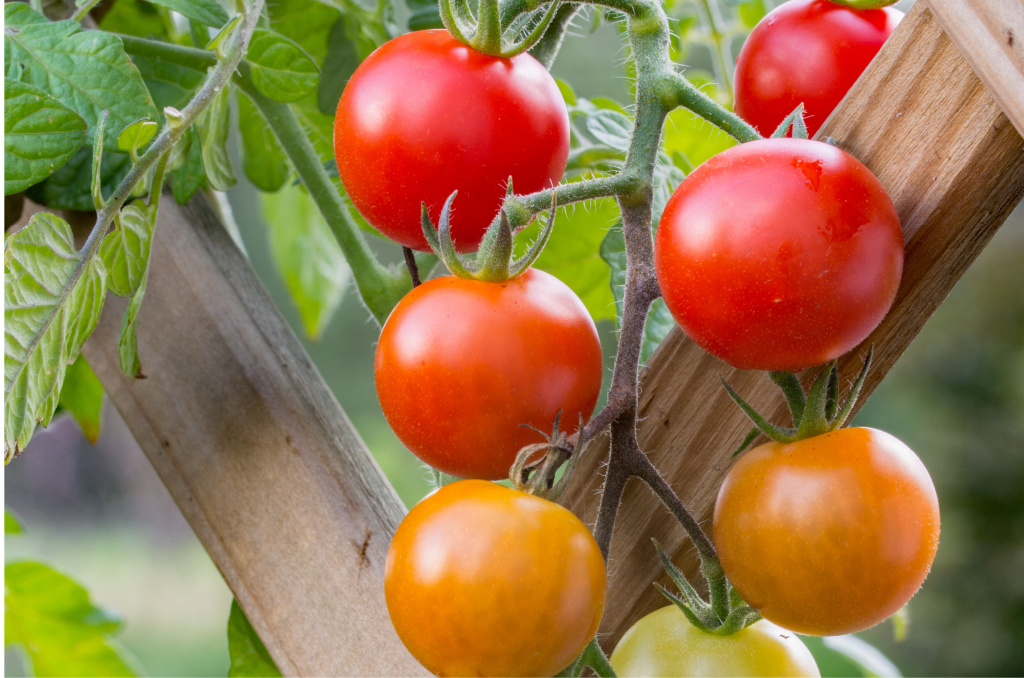
Finally, vertical gardening focuses on growing plants upward using trellises, cages, or other supports. This method is ideal for vining and sprawling crops and helps free up valuable ground space in raised beds. Vertical growing improves airflow, can reduce disease pressure, and makes harvesting easier by keeping produce visible and accessible. That said, vertically grown plants may dry out more quickly and require more frequent watering. Trellises can also cast shade on nearby crops, so placement is important. This method is often most effective when combined with other planting strategies like intensive or square foot gardening.
Conclusion
If you have any questions that weren’t answered or need more information, feel free to stop by and see us at either the Broad St. or Mechanicsville location. You can also give us a call or drop us an email at info@stranges.com. We’re here to help you grow better!
Connect with Strange’s:
Instagram: @StrangesRVA Facebook: @Strange’s Florist
Mechanicsville: 804-321-2200 West Broad: 804-360-2800
Learn More
Order Online
Our locations



©2026 Strange's Florists. All rights reserved.