
Please enter at least 4 characters to continue your search.
Making and learning from mistakes is an essential part of the positive experience that comes with Gardening. Often, the mistake is too much “love” for our plants, mainly in the form of over watering. Over watering is most commonly found in container gardens or with first season gardeners. We will start off by defining what Over Watering is and then describe the identifiers for a few different types of gardens.
Over Watering is simply where the soil mix or substrate is carrying too much water for the plants in that location. It’s important to ensure the mix of plants either in a garden or container are properly suited to one another. What may be too much water for a desert suited plant quickly becomes not enough water for a tropical plant or fleshy, fast growing vegetable. Sometimes the over water condition is caused by exposure to the natural elements (i.e. herb container left out in a thunderstorm) but more often it is caused by the Gardener. Horticulture survey’s show that one of the top listed fears for new gardener’s is “killing the plants”*. That concern is OK, but will lead some folks to worry, which leads to over watering.
Aside from the pure over application of water, the incorrect use of substrate and soil combination can lead to an over water scenario. Drainage is as much a factor in successful plant growth as root system and nutrient support is.
If a container garden is to be developed:
- Check that the container has appropriately sized holes in the bottom or lower sides for water to escape
- Ensure the container is properly elevated so the drain holes are not obstructed by supports or the ground
- Ensure the bottom most section of the container has an appropriately dense mixture of stone or other, hard, water resistant material to allow the draining to occur
- Make sure you’re using the right type of soil. Potting soil is designed to work in pots for both it’s nutrient supporting and drainage properties. Avoid Clay or other hard packing soils
In the Garden, the same rules apply, just over a larger area. A great way to ensure proper drainage for your trees, fruit and shrubs is to mix in Perma-til with the existing or soil amendments added during the initial site dig. While over watering is less likely to occur for most in-ground scenarios, swampy or highly packed soil can increase the odds of over watering for some plants.
Key points to look for that indicate an over water scenario:
Standing water in the pot well after watering or rainfall
Persistent green slime or algae on the pot
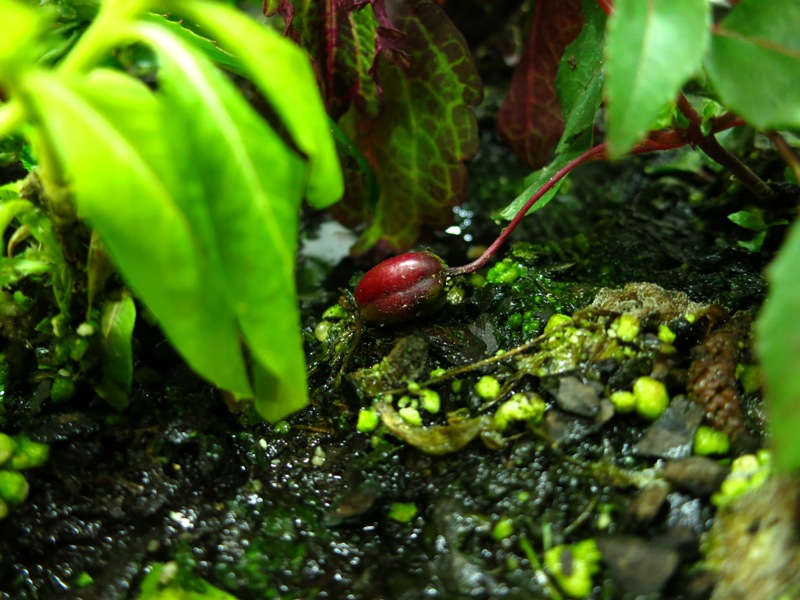
Standing water in container indicating over watering
Pot is VERY heavy (twice the weight on the soil mix + weight of pot)
Musty odor
Curled vegetation or leaves of plants
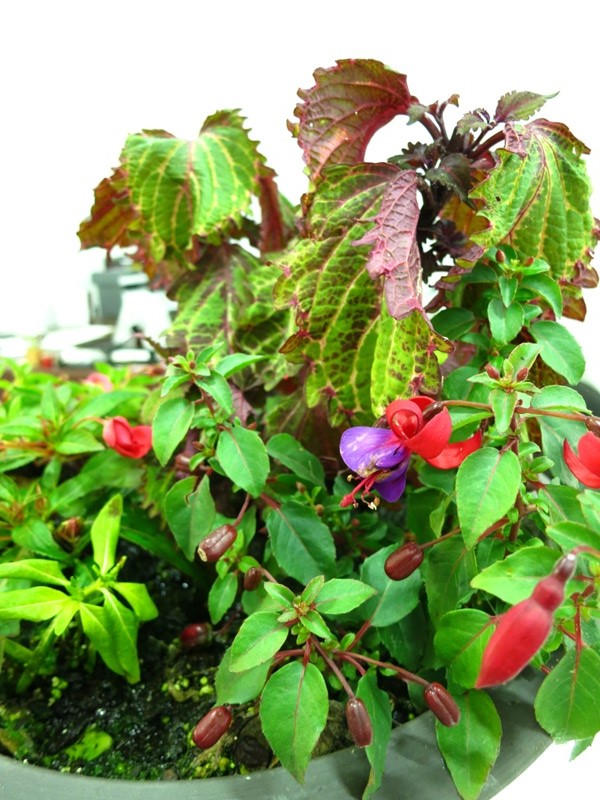
Vegetation curling indicating over watering scenario
Remedies for Over Water scenario:
If the condition is found fast enough, the solution is to stop watering for a few days. During this period ensure proper drainage and soil condition. If a pot or container is used without drainage holes, it is best to remove the contents and drill holes. If the condition is not found fast enough ( like the photos above), the only option is to cast out the container contents and re-plant. If the condition is found in a garden or bed, landscape adjustments need to be made. These include but are not limited to replanting plants with improved soil, creating improved drainage for the site or picking new plants for the area. Be sure to take good notes in your journal to learn from your experience!
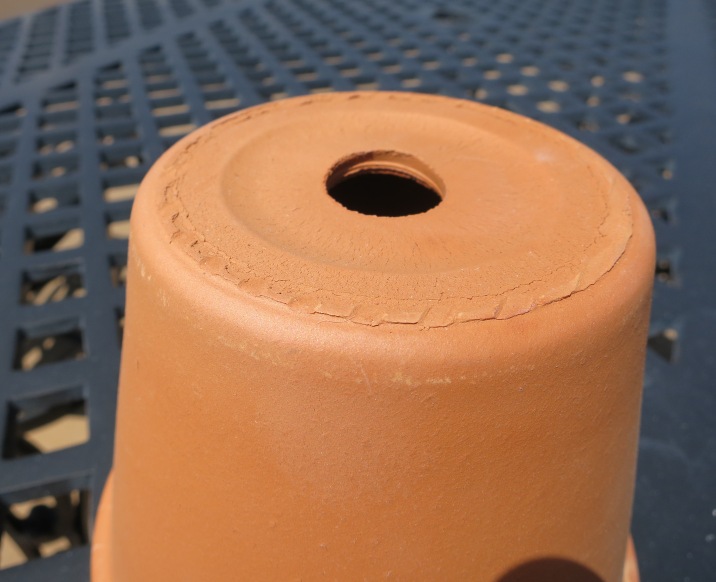
A properly sized drainage hole in a clay pot.
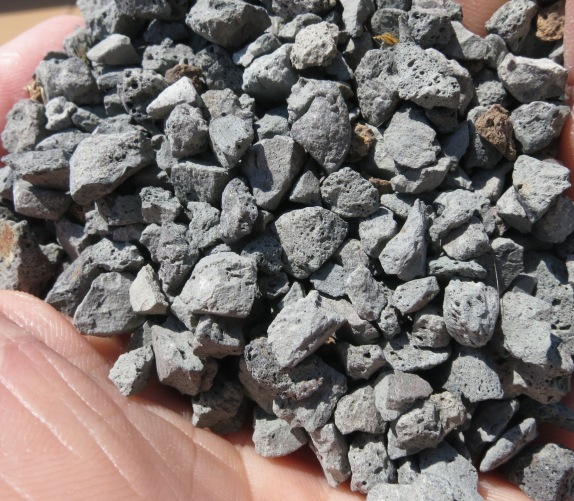
A palm full of Perma-Til substrate.
-Will
*Ball Horticulture Consumer Opinions Study, 2012


Learn More
Order Online
Our locations



©2026 Strange's Florists. All rights reserved.